


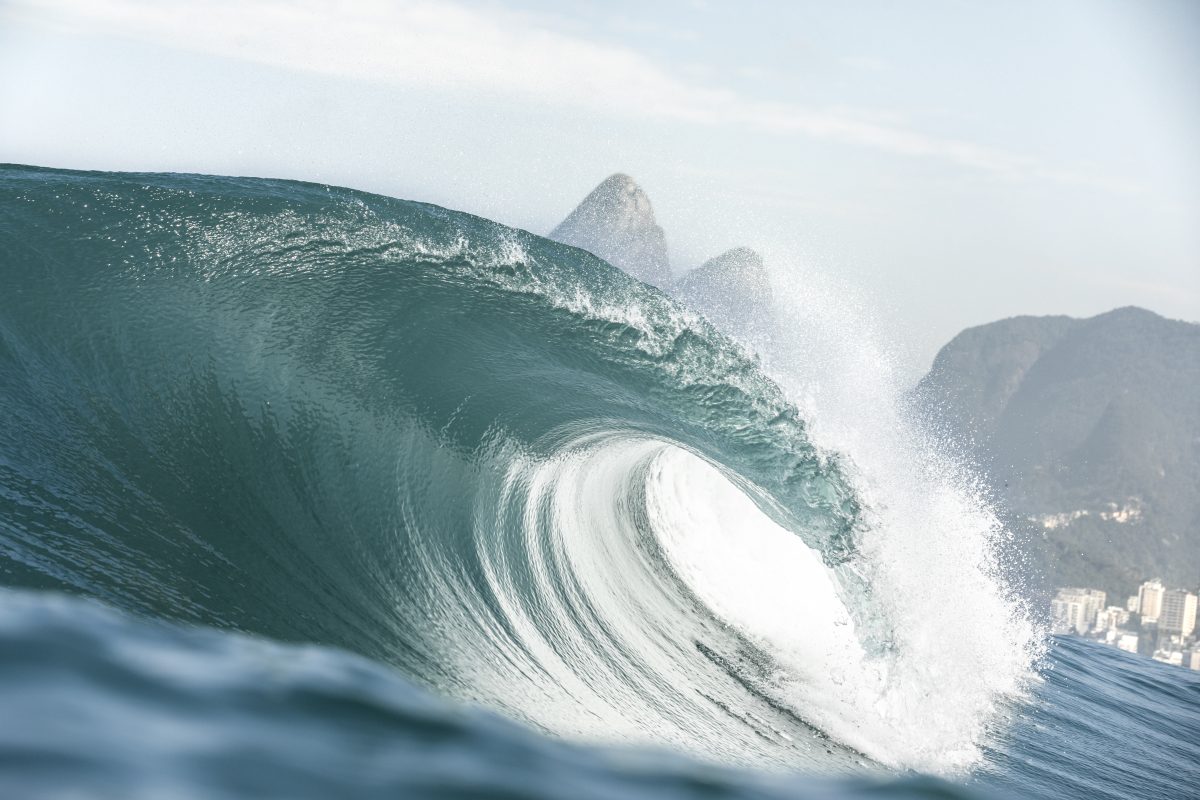
Some destinations invite us to travel in search of nature. Others show us that nature can be part of everyday life. It is precisely this difference that lies at the heart of the choice between Rio de Janeiro and Costa Rica.
In recent years, Costa Rica has become a global benchmark for travelers seeking a nature-focused escape, driven by its national parks, protected beaches, tropical forests and a way of life that places a strong emphasis on well-being. The country is often associated with yoga retreats, ecotourism and the Pura Vida philosophy, which has made a close connection with the environment an essential part of its identity.
Rio de Janeiro, meanwhile, is commonly associated with beaches and iconic landmarks. Yet looking just beyond the shoreline reveals something equally rare: one of the largest concentrations of preserved nature within a major metropolis, where the ocean, forests, mountains and urban life coexist in a balance that is difficult to find anywhere else in the world.
For that reason, the comparison between these two destinations should not begin with the question “which is better?”, but rather with which experience makes the most sense for your travel style.
While Costa Rica invites visitors to immerse themselves in a country shaped by biodiversity, Rio offers the opportunity to experience that same connection with nature without giving up the gastronomy, culture and infrastructure of a vibrant capital city.

Two Destinations United by Nature, Yet Offering Different Experiences
Although they exist on entirely different scales — one is a country and the other a city — Costa Rica and Rio de Janeiro share a rare quality: both have built their international reputation around their relationship with nature.
In Costa Rica, this commitment is part of a national conservation policy. More than 25% of the country’s territory is protected through national parks, biological reserves and conservation areas, making it a global reference in sustainable tourism. Despite accounting for only around 0.03% of the Earth’s surface, Costa Rica is home to approximately 6% of the planet’s biodiversity, bringing together active volcanoes, cloud forests, mangroves, beaches on both the Pacific and Caribbean coasts, rivers, waterfalls and an extraordinary variety of wildlife and plant life.
This diversity means that a single trip can include hikes through tropical forests, birdwatching, diving, surfing, visits to volcanoes and encounters with animals such as sloths, monkeys, toucans and sea turtles.
Yet there is a lesser-known aspect that also helps explain why Costa Rica has become a symbol of well-being.
The Nicoya Peninsula is home to one of the world’s five Blue Zones, regions recognized for their high concentration of people who live beyond the age of one hundred while maintaining good health and quality of life. Researchers associate this longevity with a combination of factors, including a diet based on fresh ingredients, constant physical activity, a strong sense of community, a clear sense of purpose and continuous contact with nature.
Costa Rica has become an example of how lifestyle and environment can exist in harmony.
Rio de Janeiro follows a different path. Its natural landscape is not spread across an entire country, but woven into the everyday life of a major city.
Within just a few kilometers, it is possible to go from the beach to trails through the Atlantic Forest, climb mountains overlooking the ocean, visit botanical gardens, paddle across lagoons or walk through one of the largest urban forests on the planet.
It is precisely this coexistence of nature and urban life that makes Rio such a distinctive destination.
A Forest That Changed the City’s History
Few visitors realize that a significant part of the forest covering the Tijuca Massif did not grow there spontaneously.
In the 19th century, deforestation caused by coffee plantations damaged the springs that supplied the city with water. In response, Emperor Pedro II ordered one of the most ambitious environmental restoration projects of its time in 1861.
Over the course of thirteen years, more than 100,000 native Atlantic Forest trees were planted in a project led by Major Manuel Gomes Archer and carried out primarily by 11 enslaved Black people, who are now officially recognized by the State of Rio de Janeiro as key figures in this historic reforestation process.
Today, Tijuca National Park is internationally recognized as the world’s largest replanted urban forest, a pioneering example of ecological restoration that began even before the creation of Yellowstone National Park in the United States. Poucos visitantes imaginam que uma parte significativa da floresta que cobre o Maciço da Tijuca não surgiu espontaneamente.
Crédito: Depositphotos
Biodiversity That Surprises Within a Metropolis
Just as Costa Rica impresses with its natural wealth, Rio holds a surprise for those who believe that nature and city life cannot coexist.
Tijuca National Park is home to more than 1,600 plant species, hundreds of which are threatened with extinction. Bromeliads, orchids, jequitibá trees, silk floss trees, yellow trumpet trees and juçara palms are all part of the typical Atlantic Forest vegetation preserved within the park.
The park has also recorded more than 220 bird species, including toucans, tanagers, parakeets and swallow-tailed manakins, as well as around 60 species of mammals, such as sloths, coatis, capuchin monkeys, agoutis, pacas and southern tamanduas.
All of this lies just minutes from neighborhoods such as Ipanema, Jardim Botânico and São Conrado.
In Costa Rica, nature is the reason for the journey. In Rio, it is part of everyday life.
Beaches and the Sea: Two Ways to Experience the Ocean
If nature is the starting point for comparing Rio de Janeiro and Costa Rica, the sea may be the element that best reveals the personality of each destination.
In Costa Rica, the beaches stretch along two entirely different coastlines. On one side lies the Pacific Ocean, known for its long sandy shores, consistent waves and spectacular sunsets. On the other, the Caribbean Sea offers calmer waters, lush vegetation and a strong Afro-Caribbean influence on the culture and cuisine.
On the Nicoya Peninsula, beaches such as Santa Teresa and Nosara attract surfers, yoga practitioners and travelers looking for hotels immersed in nature. In Manuel Antonio National Park, tropical forest meets the sea in small coves of pale sand. Tortuguero and Las Baulas National Marine Park, meanwhile, have become world-renowned destinations for sea turtle watching, welcoming five of the planet’s seven existing species during nesting season.
Rio de Janeiro has also built its identity around the sea, but in an entirely different way. Here, the beach is part of the daily routine.
It is neither a scheduled outing nor a setting reserved for vacations. It is where residents walk before work, play sports, meet friends, have lunch, watch the sunset and bring the day to a close.
This everyday relationship with the ocean may be one of the defining features of the Carioca lifestyle. Despite being a city, Rio also surprises visitors with the diversity of its beaches.
Copacabana is vibrant and cosmopolitan. Ipanema combines nature, gastronomy and a strong sense of community. Leblon offers a quieter, more residential atmosphere. Beaches such as Joatinga, Prainha and Grumari, meanwhile, reveal an almost wild side of the city, surrounded by preserved vegetation and landscapes reminiscent of remote destinations.
Within just a few hours, it is possible to experience different ways of enjoying the coastline without ever leaving the city limits.
Surfing, Movement and an Outdoor Way of Life
Both Costa Rica and Rio de Janeiro rank among the world’s most desirable destinations for surfers.
In Costa Rica, beaches such as Santa Teresa, Tamarindo, Nosara and Pavones offer consistent waves almost year-round, attracting everyone from beginners to professional athletes. In many of these regions, surfing has evolved beyond a sport to become part of the local identity, influencing the architecture, cuisine and even the pace of life in small coastal towns.
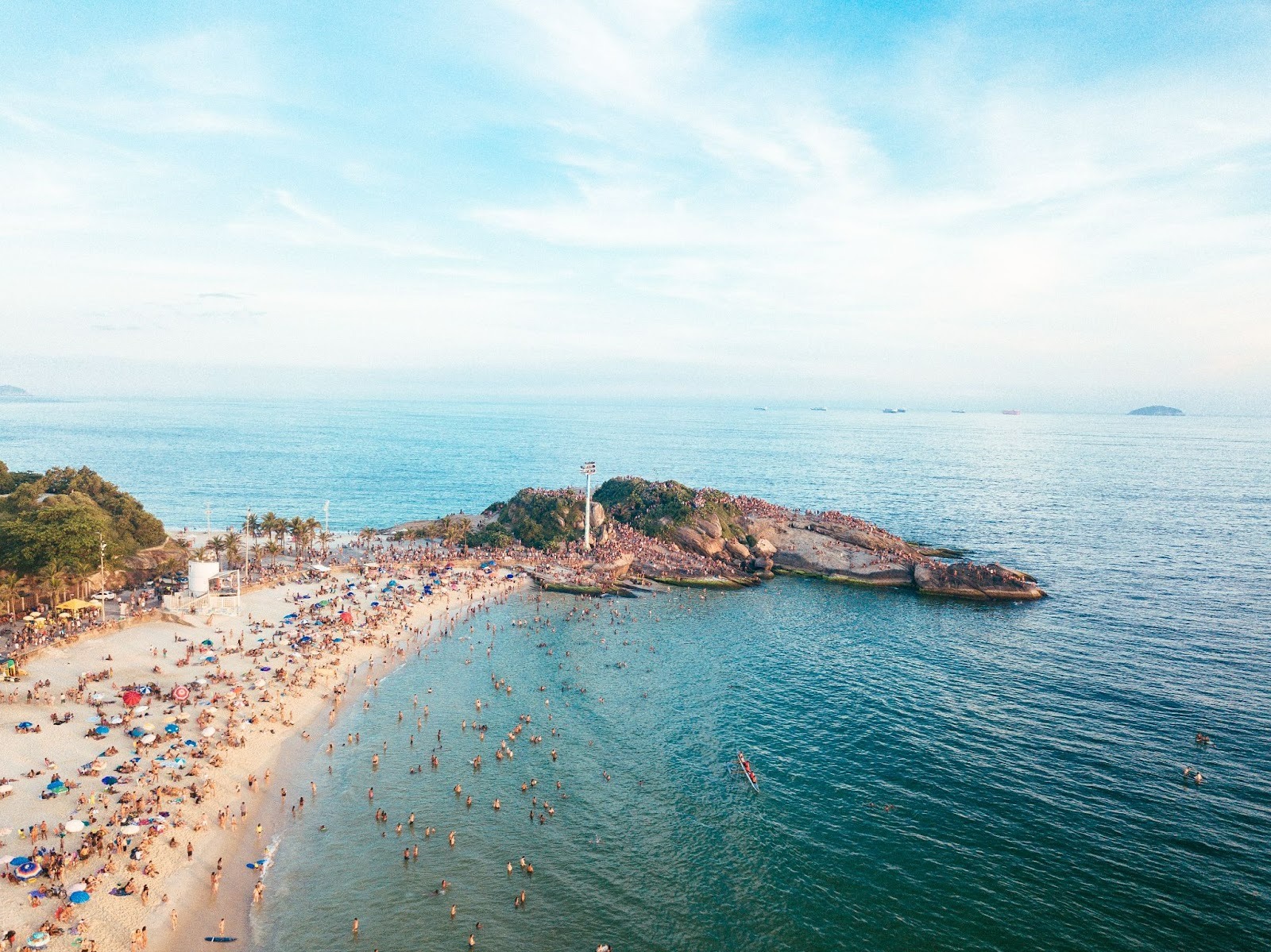
Rio shares this spirit but adds a distinctive quality: surfing is woven into the life of a major metropolis. Few places represent this history better than Arpoador.
It was there, beginning in the 1960s, that Brazilian surfing started to develop its modern identity. The beach became a meeting point for athletes who helped popularize the sport across the country, including Pepê, Bocão, Rico de Souza and Daniel Friedmann, as well as an entire generation that transformed Arpoador into a symbol of Rio’s surfing culture.
The beach’s crescent-shaped formation causes swells to break near Arpoador Rock and travel along almost the entire stretch of sand, creating longer and more consistent waves than those found at other beaches in Rio’s South Zone.
Throughout the day, runners fill the promenade, cyclists travel along the waterfront, and footvolley and altinha players share the sand, while stand-up paddleboarders and outrigger canoe paddlers take to the sea when the water is calmer.
In the late afternoon, as the sun begins to disappear behind Morro Dois Irmãos, residents and visitors spontaneously gather on Arpoador Rock to watch the daily spectacle of the sunset, which has become one of the city’s most emblematic rituals.
Wellness Beyond the Spa
Costa Rica has become a global benchmark for wellness tourism for reasons that extend far beyond luxury hotels and dedicated wellness retreats.
The concept of Wellness Pura Vida, promoted by the Costa Rican Tourism Board, is rooted in a philosophy that values balance between body, mind, community, and nature. This approach comes to life through experiences such as yoga retreats, hikes through tropical rainforests, swims beneath waterfalls, cuisine centered on fresh ingredients, and a slower, more mindful pace of life.
In Rio de Janeiro, wellness takes a different form. Rather than being confined to secluded retreats, it unfolds naturally as part of everyday life.
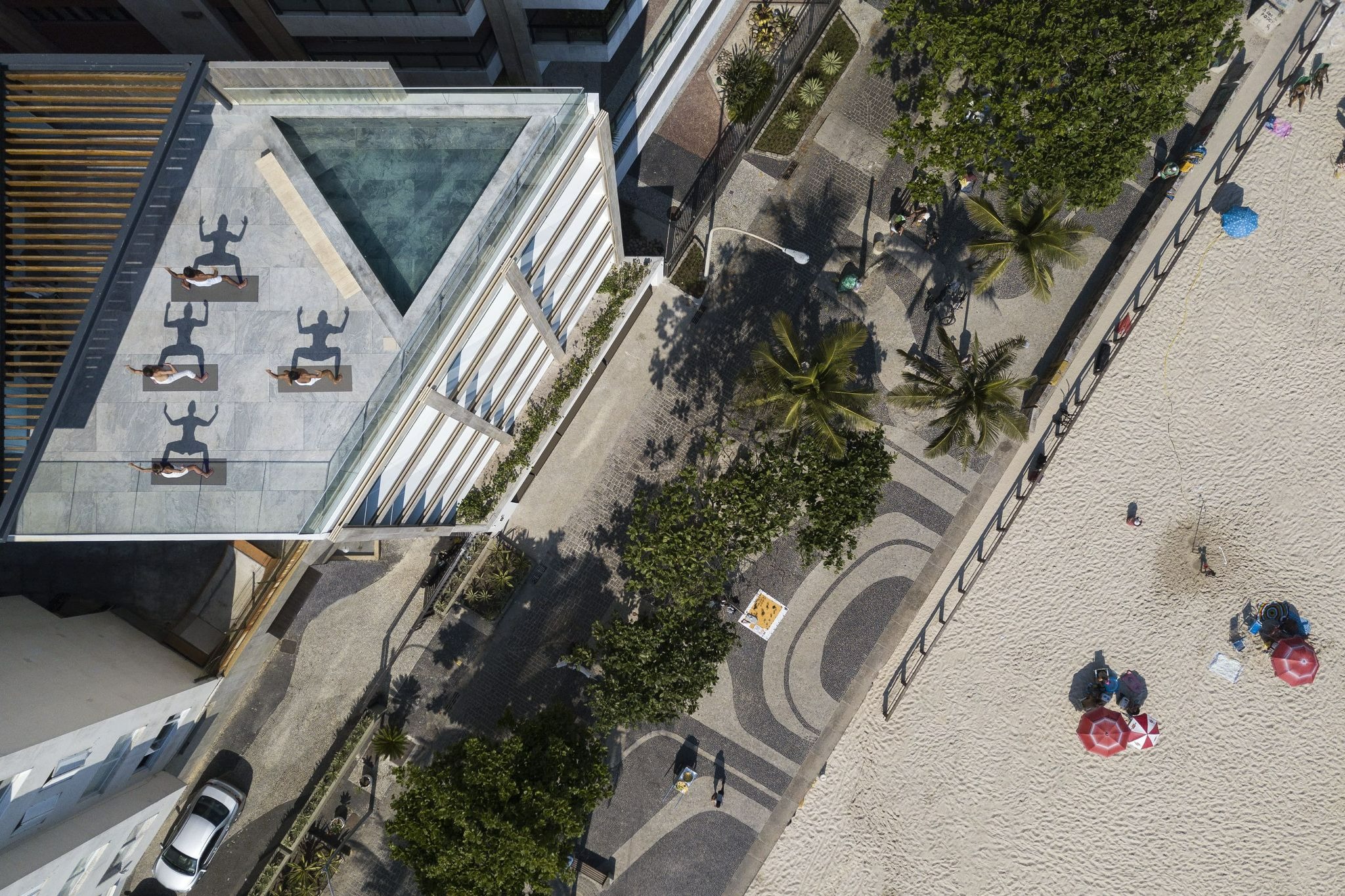
This is where Hotel Arpoador embodies the city’s unique lifestyle.
Yoga classes, direct beach access, the wellness room, sauna, oceanfront pool, and treatments at Maré Spa are more than amenities—they are a natural extension of the neighborhood’s daily rhythm.
In the same way, the coastal cuisine at arp bar reflects this philosophy by celebrating fresh ingredients, locally sourced seafood, and seasonal produce in dishes that feel deeply connected to the surrounding landscape.
It is an experience where nature, movement, relaxation, and gastronomy exist in effortless harmony. And perhaps it is precisely this sense of ease that brings Arpoador so close to the lifestyle so many travelers seek in Costa Rica.
Nature Without Leaving the City Behind
Throughout this comparison, one thing becomes clear: choosing between Rio de Janeiro and Costa Rica is not about choosing more or less nature. It is about deciding how you want to experience it.
In Costa Rica, nature takes center stage. Traveling through the country means driving between national parks, exploring diverse regions, discovering nearly untouched beaches, hiking through cloud forests, spotting sea turtles and volcanoes, and experiencing one of the richest biodiversities on the planet. It is a deeply immersive journey, where the destination invites visitors to slow down and embrace the rhythm of the landscape.
Rio de Janeiro offers a different perspective. Here, nature does not require you to leave the city behind—it is woven into everyday life.
In a single day, you can walk through a centuries-old rainforest, swim in the ocean, visit an art exhibition, enjoy lunch at a beachfront restaurant, cycle along the coastline, and end the evening at a concert, a live music performance, or simply watching the sun set behind Pedra do Arpoador.
Few cities in the world combine mountains, Atlantic Rainforest, ocean beaches, lagoons, urban parks, outstanding gastronomy, culture, and tourism infrastructure in such a seamless experience.
It is this unique blend that makes Rio a truly distinctive destination for travelers seeking well-being.
Which Destination Best Matches Your Travel Style?
The answer depends far more on the kind of experience you’re looking for than on the destination itself.
If you dream of exploring diverse ecosystems, traveling through national parks, spotting wildlife, and discovering a country that has made environmental conservation a national priority, Costa Rica is likely the perfect choice.
On the other hand, if you’re looking for a trip that combines nature, the ocean, outdoor activities, exceptional gastronomy, culture, and the convenience of a vibrant city without sacrificing authenticity, Rio de Janeiro offers an experience that’s hard to find anywhere else.
To help you decide, consider what matters most to you when you travel:
| If you’re looking for… | Costa Rica | Rio de Janeiro |
| Ecotourism & National Parks | ⭐⭐⭐⭐⭐ | ⭐⭐⭐⭐ |
| Biodiversity & Wildlife Watching | ⭐⭐⭐⭐⭐ | ⭐⭐⭐⭐ |
| Surfing | ⭐⭐⭐⭐⭐ | ⭐⭐⭐⭐⭐ |
| Hiking & Nature Trails | ⭐⭐⭐⭐⭐ | ⭐⭐⭐⭐ |
| Yoga & Wellness | ⭐⭐⭐⭐⭐ | ⭐⭐⭐⭐⭐ |
| Gastronomy | ⭐⭐⭐ | ⭐⭐⭐⭐⭐ |
| Culture & Museums | ⭐⭐ | ⭐⭐⭐⭐⭐ |
| Urban Lifestyle | ⭐ | ⭐⭐⭐⭐⭐ |
| Beaches | ⭐⭐⭐⭐⭐ | ⭐⭐⭐⭐⭐ |
| Nature Integrated into Everyday Life | ⭐⭐⭐ | ⭐⭐⭐⭐⭐ |
More than choosing between two extraordinary destinations, it’s about discovering which one best reflects the way you love to travel.
Rio de Janeiro or Costa Rica: Two Ways to Connect with Nature
Choosing between Rio de Janeiro and Costa Rica is, in many ways, choosing between two equally inspiring expressions of nature.
Costa Rica demonstrates how protecting ecosystems, embracing a slower pace of life, and cultivating healthy habits can transform an entire country into a global leader in wellness tourism.
Rio de Janeiro, on the other hand, shows that the same connection with nature can be woven into everyday life—even in a vibrant metropolis. Surrounded by beaches, mountains, and the Atlantic Rainforest, well-being is no longer a distant aspiration but an integral part of the experience of the destination itself.
For travelers seeking a journey where the ocean, movement, gastronomy, and nature come together effortlessly, Arpoador captures that essence like few places in the world.